

Why is it important to buy formaldehyde-free cabinets?
Cabinets are one of the largest sources of indoor chemical emissions in a home, especially when they are made from engineered wood products such as particleboard, MDF, or plywood. Formaldehyde has become a serious issue to tackle with quality carpentry.
1. Better Indoor Air Quality with Formaldehyde-Free Panels
Traditional cabinets may contain adhesives and resins that release formaldehyde gas over time, a process known as “off-gassing.” Since cabinets occupy a large surface area and are installed permanently, they can contribute significantly to indoor air pollution.
Formaldehyde-free cabinets help keep indoor air cleaner, which is particularly important in Singapore where air-conditioning often means homes are kept closed for long periods.
2. Health Considerations for your Family
Exposure to elevated formaldehyde levels can cause:
- Eye, nose, and throat irritation
- Headaches
- Skin irritation in sensitive individuals
- Respiratory discomfort
Young children, elderly family members, and people with asthma or allergies may be more sensitive to indoor air pollutants.
3. Singapore’s Hot and Humid Climate Can Increase Emissions
Heat and humidity can accelerate the release of volatile organic compounds (VOCs), including formaldehyde. In Singapore’s tropical climate, lower-emission materials can be particularly beneficial because:
- Higher temperatures can increase off-gassing rates.
- Humidity can affect certain wood products and adhesives.
- Homes are often occupied for long hours due to work-from-home arrangements and family lifestyles.
4. Better for Children’s Bedrooms and Study Areas
Children spend many hours sleeping and studying indoors. Choosing formaldehyde-free cabinetry for:
- Bedrooms
- Study rooms
- Nursery rooms
- Wardrobes
can reduce long-term exposure to airborne chemicals.
5. Supports a Healthier Renovation
Many new homeowners focus on paints and flooring but overlook cabinetry. In reality, built-in wardrobes, kitchen cabinets, TV consoles, and vanity units can collectively account for a large portion of the engineered wood used in a renovation.
A formaldehyde-free cabinet system helps create a healthier overall renovation package.
6. Reduced Odours After Renovation
One common complaint after renovation is a persistent “new furniture smell.” While not all odours are formaldehyde, low-emission and formaldehyde-free cabinets generally produce less chemical smell and may allow the home to become comfortable sooner after installation.
7. Long-Term Value
Many premium cabinet manufacturers now use:
- No-added-formaldehyde (NAF) boards
- CARB Phase 2 compliant materials
- Ultra-low-emission panels
- Green-certified substrates
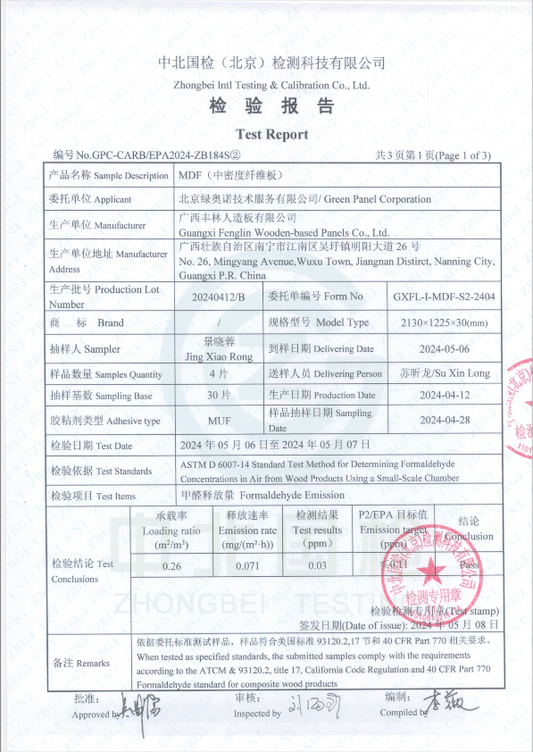
These materials are increasingly sought after by health-conscious homeowners and can enhance the overall quality perception of the home.
What to Look For
When shopping for cabinets, ask your supplier about:
- Formaldehyde-free or no-added-formaldehyde boards
- CARB Phase 2 certification
- TSCA Title VI compliance
- E0 or F★★★★ emission ratings
- GREENGUARD or equivalent indoor air quality certifications
Why This Matters for Singapore Homes
In compact HDB flats, condominiums, and even landed homes with extensive built-ins, cabinetry often represents the single largest source of engineered wood in the interior. Choosing formaldehyde-free cabinets can help improve indoor air quality, reduce renovation-related odours, and create a healthier living environment for the entire family.
For brands such as OPPOLIA that emphasize low-emission materials and modern manufacturing standards, formaldehyde-free cabinetry is often positioned as both a health and quality upgrade rather than simply a premium feature.
Read more about: Oppolia's Formaldehyde-Free Panels
Read more about: HomeShake's Warranty in Singapore
Discover our Latest Collections: Monet Series